In real estate, value is often discussed at the point of selling. Pricing strategies, staging decisions, timing the market. But the truth is, the outcome of a home is usually determined much earlier.
Strategy starts at the purchase — not the sale.
Homes that hold and grow their value tend to share a common foundation. It’s not about chasing trends or trying to predict the market. It’s about recognizing, early on, what consistently performs well over time.
The Fundamentals That Hold Their Value
1. Location Still Leads Everything
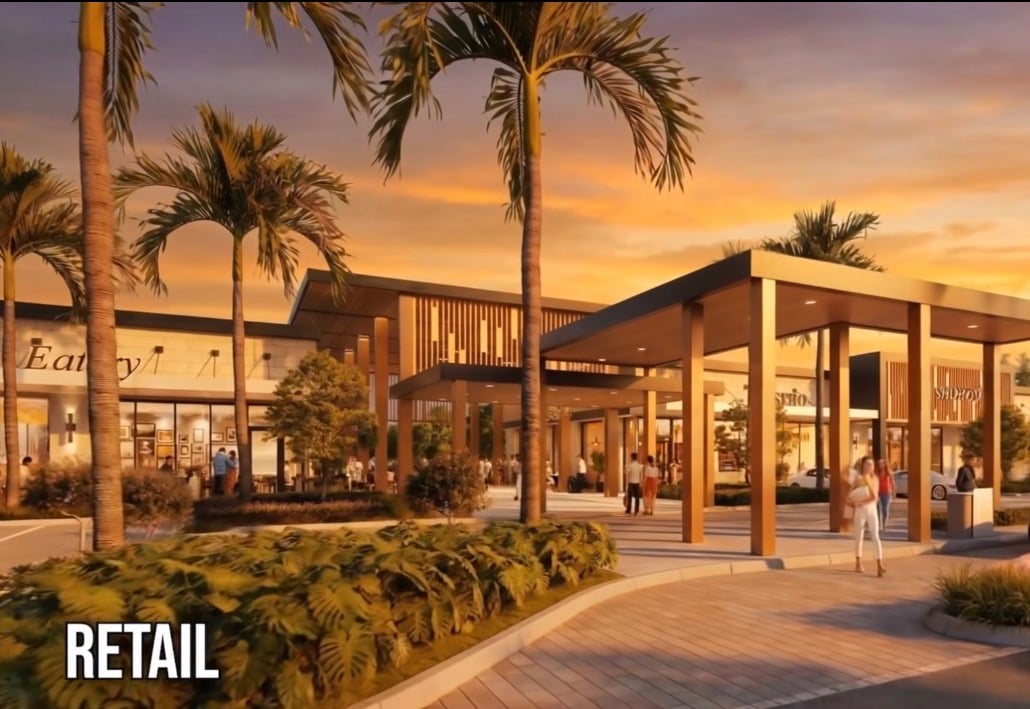
Location isn’t just about a city or neighborhood — it’s about position. Proximity to water, walkability, school zones, future development, and how an area is evolving all matter. Homes in strong locations tend to be more resilient, even during market shifts.
A good location doesn’t need to be flashy. It needs to be functional, desirable, and difficult to replicate.
2. Layout Matters More Than Finishes
Finishes can be changed. Layout cannot.
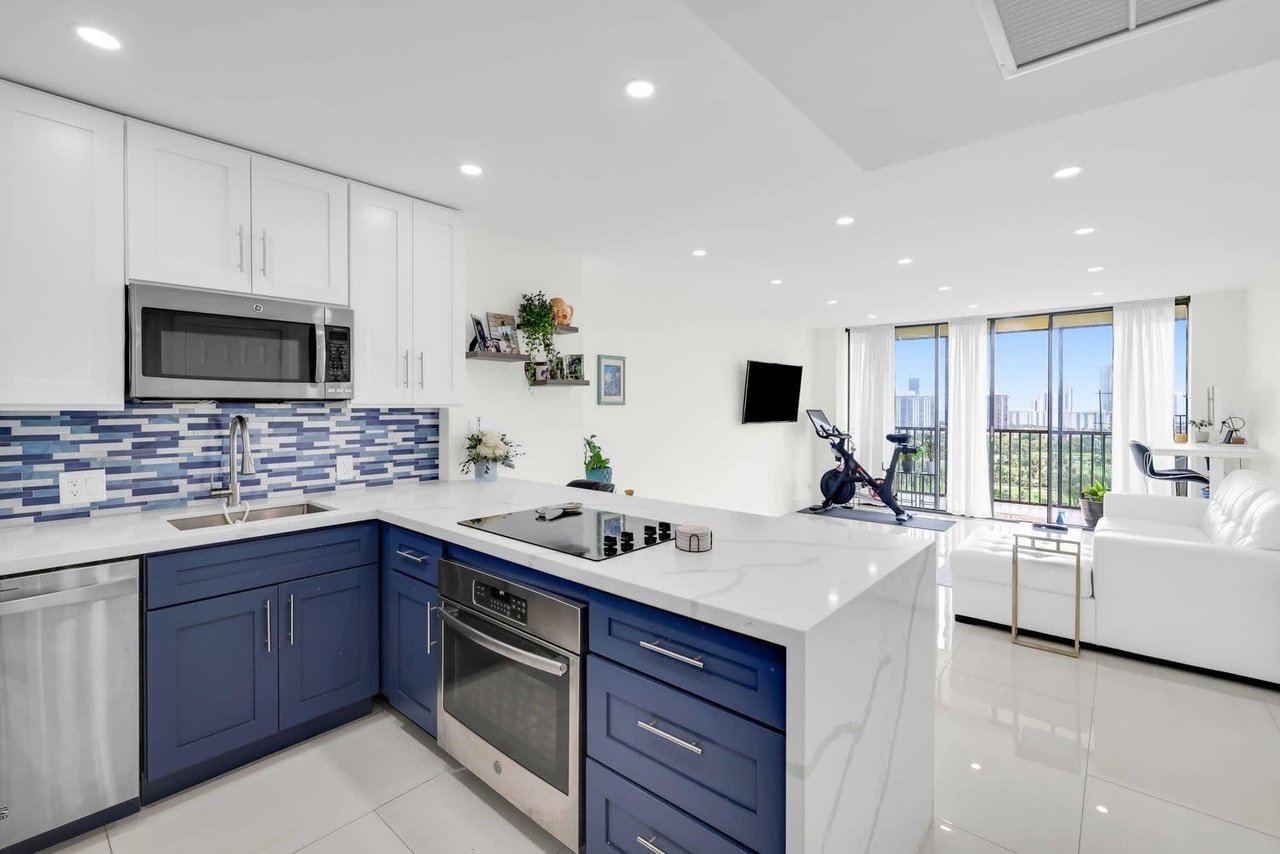
Homes with intuitive flow, usable square footage, and functional room placement age far better than homes that rely solely on surface-level upgrades. Buyers consistently gravitate toward spaces that feel right — open where it counts, private where it matters, and flexible enough to adapt to different lifestyles.
A well-designed layout quietly protects value year after year.
3. Natural Light Is a Non-Negotiable
Natural light is one of the most overlooked value drivers — and one of the most powerful.
Homes with good light feel larger, calmer, and more inviting. They photograph better, show better, and live better. Regardless of trends, buyers respond emotionally to light, and that emotional response translates into stronger demand.
Light is timeless. It never goes out of style.
4. Improvements That Age Well
Not all upgrades create value — and some actually date a home faster.
The most successful improvements are those that:
-
Improve function
-
Enhance light and flow
-
Feel neutral but intentional
-
Don’t overly personalize the space
Think quality materials, clean lines, and choices that feel appropriate for the home and location. These improvements don’t scream for attention — they quietly support the home’s longevity.
Why This Approach Matters
When the right fundamentals are in place, appreciation doesn’t feel forced. It happens naturally, supported by demand rather than speculation.
This approach benefits:
-
Buyers who want confidence in their purchase
-
Homeowners who plan to live well and protect value
-
Sellers who later realize their home stood out for the right reasons
The sale becomes the result — not the strategy.
The Bigger Picture
Real estate isn’t just about timing a market. It’s about choosing well from the beginning.
When you understand what holds value — location, layout, light, and thoughtful improvements — you’re not relying on luck or trends. You’re making decisions that age gracefully, perform consistently, and stand up over time.
That’s the difference between owning a home… and owning one that truly holds its value.